
American
White Oak
White oak surfaces valued for their durability, restrained grain character, and versatility across contemporary, hospitality, and traditional interiors.
Available in Plain-Sawn, Rift-Sawn, Quarter-Sawn, and Character White Oak selections.
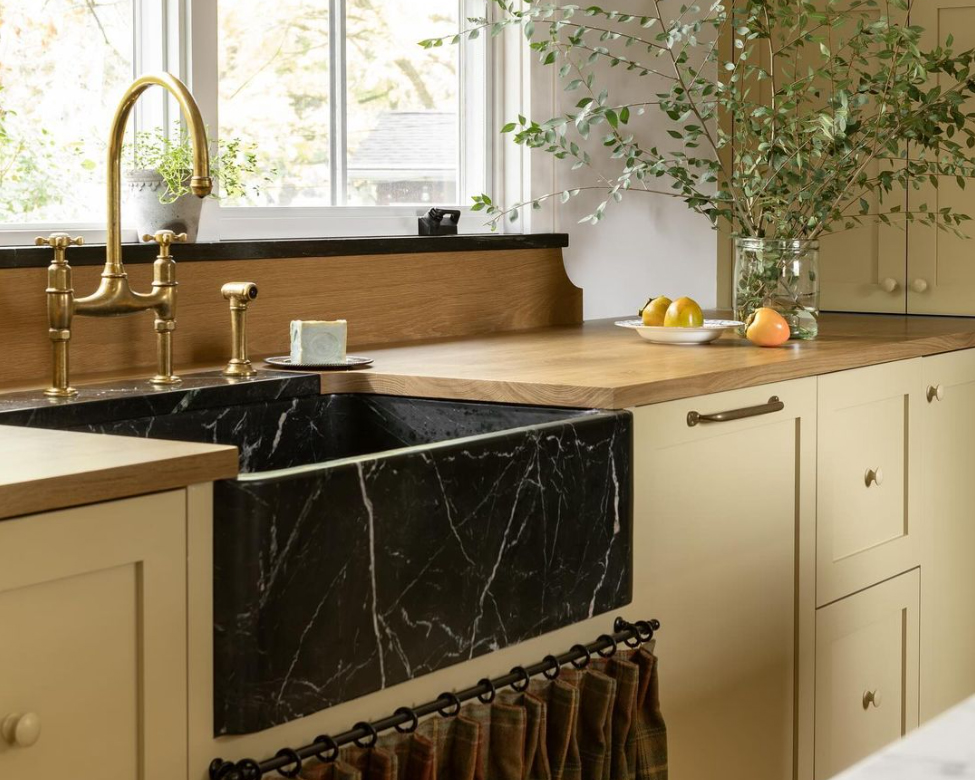
American White Oak is valued for its durability, restrained grain character, and versatility across contemporary, hospitality, and traditional interiors. Its neutral light-to-medium brown tones, often carrying subtle gray and taupe undertones, allow it to pair naturally with painted cabinetry, stone, plaster finishes, and darker architectural materials.
White oak offers a cleaner and more structured appearance than many domestic hardwoods while maintaining the warmth, repairability, and tactile character of real wood surfaces.
Its open grain and natural texture make it particularly well suited for contemporary kitchens, tonal interiors, bars, restaurants, and hospitality spaces where warmth and material depth are desired without excessive visual movement.
Armani Fine Woodworking builds custom white oak countertops, islands, tables, shelving, desktops, and interior surfaces from solid hardwood selected for durability, grain consistency, and long-term performance.
Because white oak is a living material, variation in grain, tone, texture, and movement is expected and contributes to the individuality of each finished surface.
Why Designers Choose White Oak
White oak balances durability with a restrained visual character that works across a wide range of architectural styles.
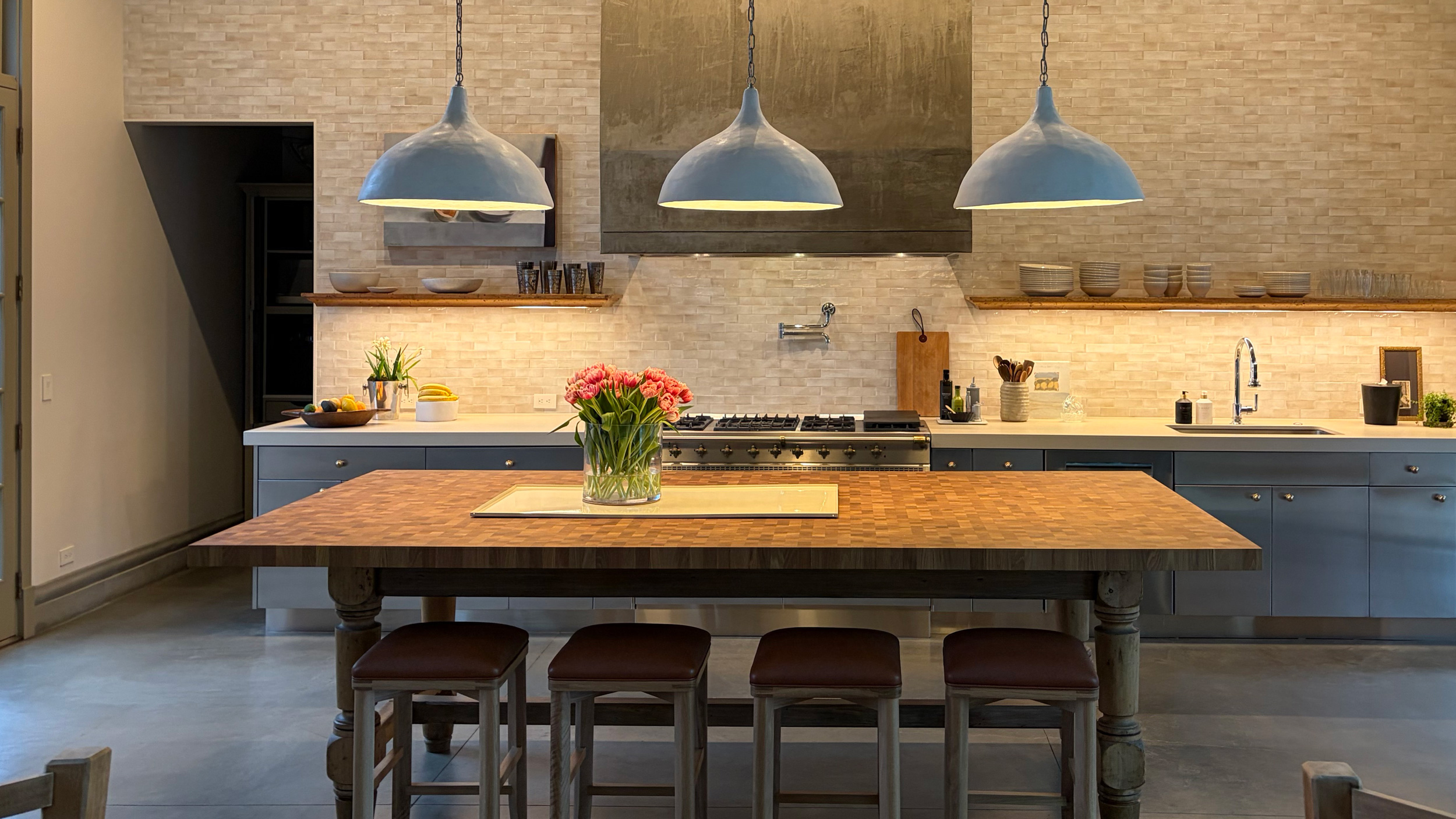
Its character comes from:
White oak pairs particularly well with:
White Oak Selection Styles
Armani Fine Woodworking offers multiple white oak selection styles depending on the desired grain structure, variation, and visual character.
Each selection uses solid American White Oak but differs in grain orientation and natural feature inclusion.
Plain-Sawn White Oak
Plain-sawn white oak highlights the cathedral grain patterns naturally produced during milling.
While heavily cathedral-grained oak became strongly associated with residential cabinetry in the 1980s and 1990s, contemporary plain-sawn white oak often takes on a much cleaner and more architectural appearance when fabricated in edge-grain layouts with restrained finishing.
Its flowing grain movement creates a warmer and more organic appearance than rift- or quarter-sawn material while maintaining the durability and versatility associated with white oak.
Plain-sawn white oak can appear dramatically different depending on how boards are oriented and assembled within the final surface.
Edge Grain Plain-Sawn White Oak
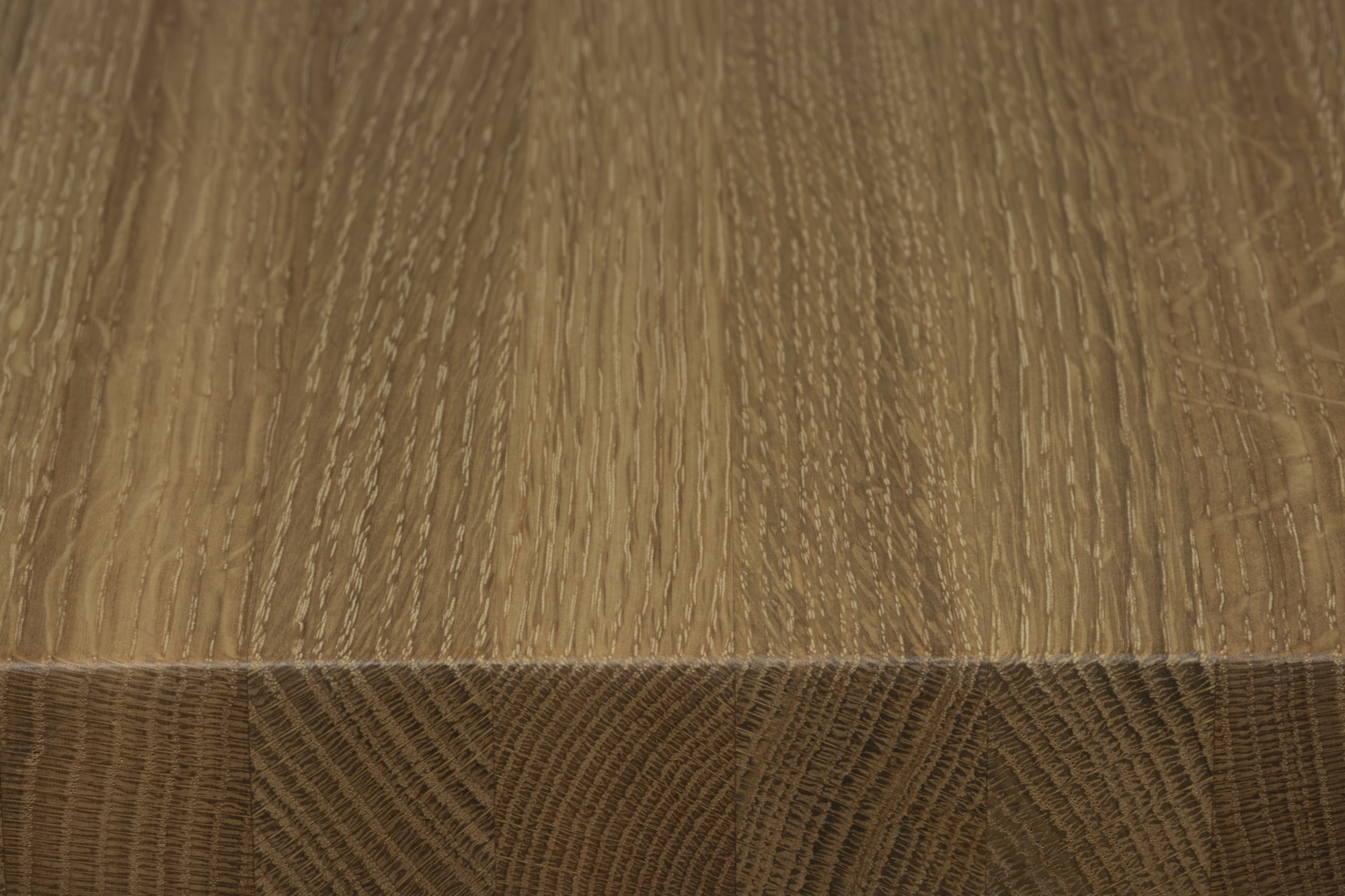
Plain-sawn boards arranged in an edge-grain layout create a cleaner, more linear appearance commonly associated with contemporary interiors.
Face Grain Plain-Sawn White Oak
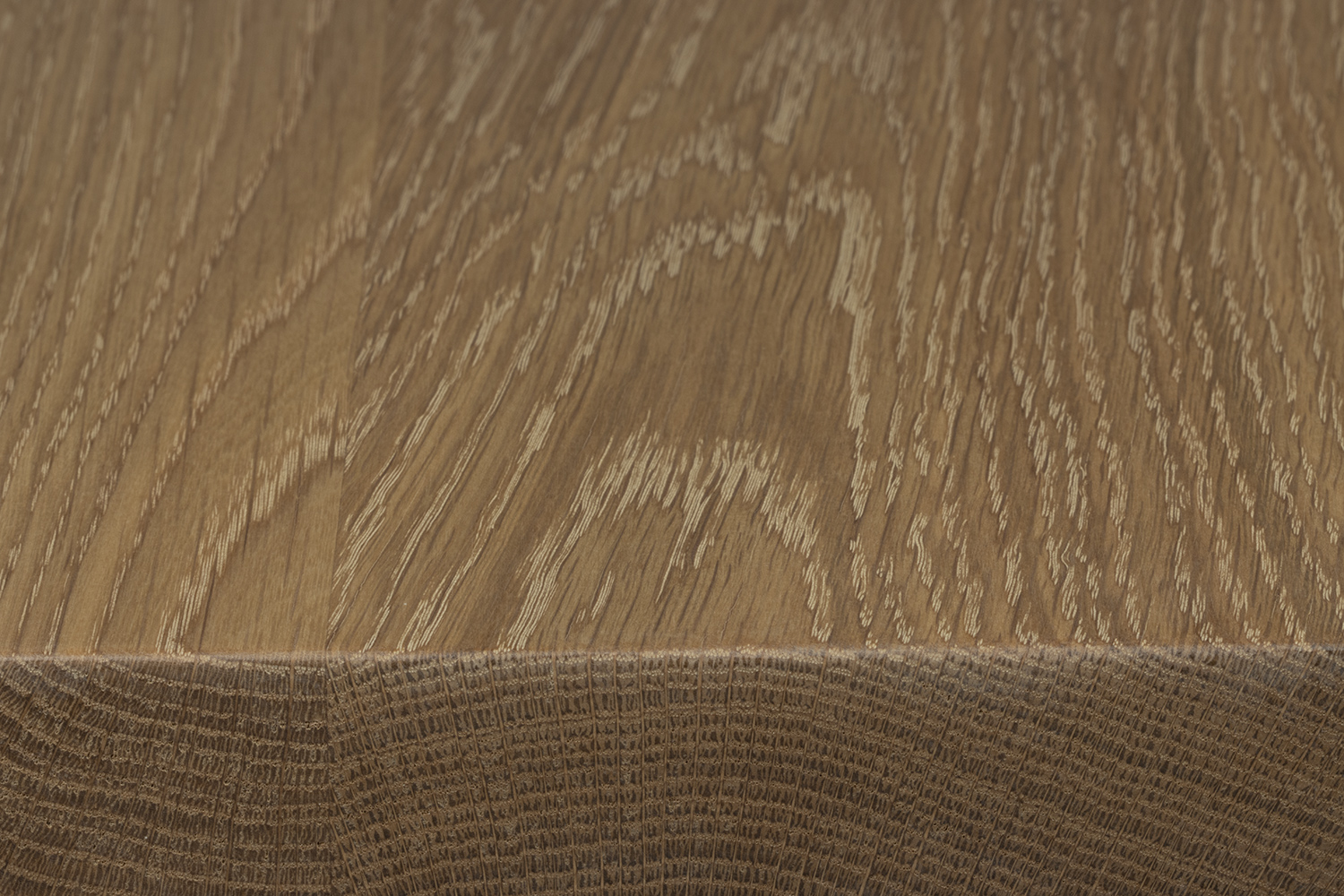
Face-grain plain-sawn white oak emphasizes cathedral grain patterns and broader natural grain movement across the surface.
Plain-sawn white oak is often selected for:
Because grain movement varies from board to board, plain-sawn surfaces typically display more visual variation across larger installations.
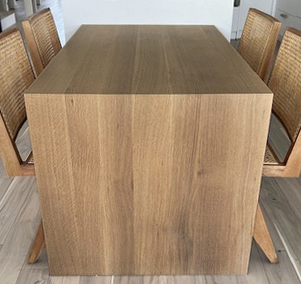
Rift-Sawn White Oak
Rift-sawn white oak is selected for its clean, linear grain and highly consistent appearance.
Boards are cut to minimize cathedral grain, resulting in a tighter, more contemporary visual structure with minimal distraction across large surfaces.
This selection is often specified for:
Quarter-Sawn White Oak
Quarter-sawn white oak highlights the wood’s natural medullary ray fleck and dimensional stability.
Its grain pattern appears more textural and structured than plain-sawn material, adding visual depth while maintaining an orderly appearance.
Quarter-sawn white oak is frequently used in:
Character White Oak
Character White Oak preserves more natural variation including knots, mineral streaking, color shifts, and irregular grain movement.
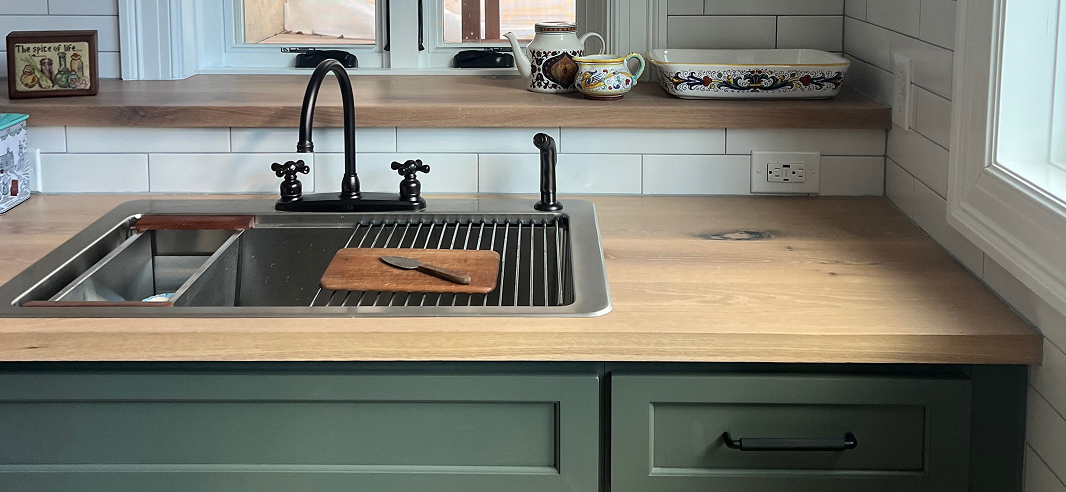
The result is a more organic and expressive surface while maintaining the durability and versatility associated with white oak.
Character White Oak is especially well suited for:
No two surfaces will appear identical.
Material Characteristics
Material
Sustainability
All white oak lumber is sourced domestically from the United States, where growth continues to exceed annual harvest rates, and meets FSC sourcing regulations. FSC-certified material is available upon request for qualifying projects.
Color Range
Light to medium brown with subtle gray, beige, and taupe undertones.
Grain Character
Grain appearance ranges from clean linear patterns to more pronounced cathedral grain depending on cut and selection style. Quarter-sawn material may also display distinctive medullary ray fleck.
Texture
Medium-to-coarse open grain with distinct natural texture.
Relative Hardness
White oak has a Janka hardness rating of approximately 1360, making it highly durable for kitchens, hospitality environments, tables, and commercial applications.
Typical Applications
Design Compatibility
White oak works well within:
Its lighter tone and structured grain allow it to add warmth and texture without overwhelming surrounding materials.
Thickness Availability
Thickness availability varies by construction style and application requirements.
Edge grain and end grain surfaces are commonly fabricated in thicknesses ranging from 1½" to 7½".
Our white oak face grain surfaces are typically fabricated between 1" and 2", depending on board width, span, and overall construction requirements.
Color & Aging
Freshly milled white oak ranges from light tan to warm beige depending on cut, finish, and board selection.
Over time, exposure to natural and artificial light gradually deepens the wood’s tone and softens subtle color variation. Finish selection significantly influences both the initial appearance and long-term aging behavior of white oak.
White oak responds particularly well to natural matte finishes, smoked treatments, wire brushing, and custom color applications.
Performance & Durability
White oak is exceptionally durable and well suited for kitchens, islands, tables, shelving, hospitality environments, and commercial applications when properly designed, finished, and maintained.
Its dense structure and closed cellular composition provide greater resistance to wear and moisture penetration than many domestic hardwoods.
Like all solid wood surfaces, white oak expands and contracts seasonally with changes in humidity. Proper installation and environmental control are essential for long-term performance.
Finish Considerations
Finish selection significantly affects the appearance of white oak.
Different finishes influence:
White oak is particularly valued for its finish adaptability and ability to accept a wide range of stains, reactive treatments, smoked finishes, and custom color applications while still preserving visible grain character.
Because white oak reacts strongly to finish chemistry and lighting conditions, sample approval is recommended whenever appearance consistency is important.
Natural Variation
White oak naturally contains variation in grain, color, mineral streaking, texture, and movement. These characteristics are inherent to solid hardwood and contribute to the individuality of each finished surface.
Discuss a White Oak Project
We help homeowners, designers, and builders specify white oak surfaces appropriate for the application, environment, and long-term use requirements.
Project Consultation
Share project details, dimensions, drawings, finish preferences, or reference imagery. We review each inquiry to determine scope, coordination requirements, and material suitability.
Wood Samples
Order hardwood samples to evaluate species, grain, color, texture, and finish options within your space and lighting conditions.


